
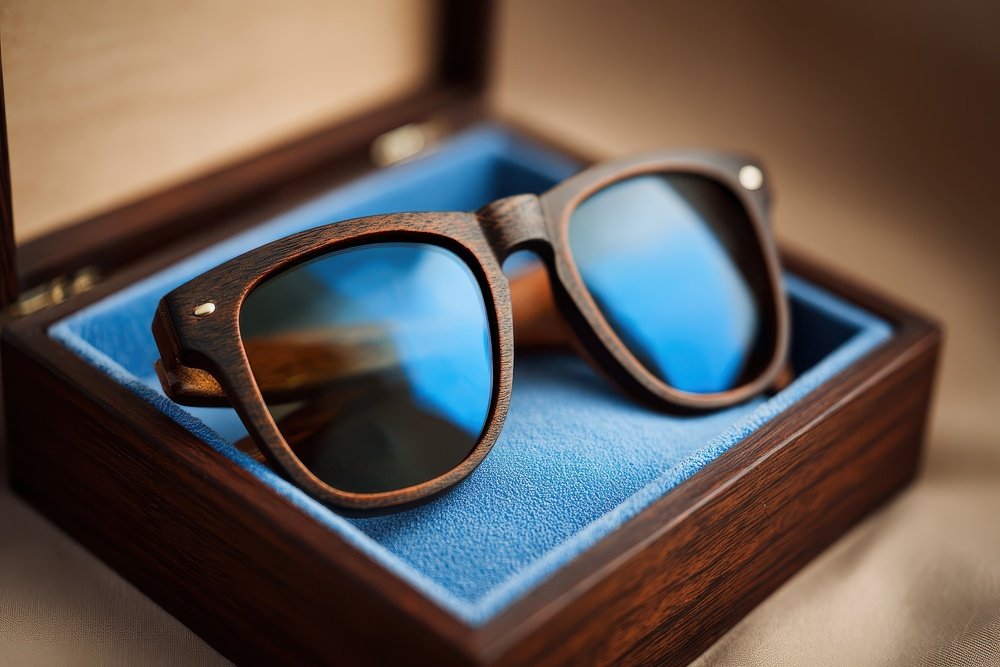
Most fashion accessories have their moment. Scarves peak in winter, sandals rule summer, and certain bags trend for a season then disappear. But one accessory category keeps selling strong no matter what month shows on the calendar. Eyewear has become the steady performer that retailers count on for consistent sales throughout every season.
Beyond Just Summer Shades
People used to think sunglasses only sold during beach season. That old assumption costs retailers money every year. Sunglasses are worn by Americans regardless of the season. Winter sun on snow can be more intense than summer glare. Spring and fall bring those awkward angles where the sun sits low and hits drivers right in the eyes during commutes.
Prescription glasses tell an even stronger story. Vision needs don’t take vacations. A person needing glasses for reading or driving needs them daily. With more people wearing glasses for style, the market grows. Computer glasses for screen time have created an entirely new category that sells regardless of weather or season. Fashion-conscious shoppers find eyewear almost irresistible. Glasses are now collected like shoes or handbags. Different colors for different outfits. Sporty styles for weekends. Professional frames for work. The average American who wears glasses now owns three pairs.
Price Points for Every Shopper
Eyewear fits every budget, which keeps sales flowing across all economic conditions. Budget-conscious shoppers grab reader glasses from spinning racks at drugstores. Middle-market consumers browse endless options at mall chains. High-end buyers seek exclusive frames at boutiques. Some retailers even stock bulk designer sunglasses from distributors like OE Sunglasses to offer luxury looks at accessible prices during sales events.
This range means stores never run out of customers. A teenager with babysitting money can afford fun frames. An executive can splurge on high-tech progressive lenses. Grandparents buy multiple pairs of readers to stash around the house. Each demographic finds options that fit their needs and wallets.
The Replacement Factor
Eyewear naturally needs replacing, creating built-in repeat customers. Glasses break. They get scratched. People sit on them, lose them, or leave them in restaurants. Prescriptions change. Styles go out of fashion. Kids grow and need new sizes. Adults want updated looks.
This replacement cycle happens faster than most accessories. A good leather bag might last decades. Quality jewelry passes through generations. But eyewear? Most pairs last two to three years at best. Active people and kids often need replacements annually. This constant turnover keeps registers ringing.
Insurance coverage also drives sales in ways other accessories can’t match. Many vision plans cover new glasses every year or two. Flexible spending accounts let people use pre-tax dollars for eyewear purchases. These benefits turn eyewear shopping from a luxury into a practical use of available benefits.
Trends That Never Really End
Fashion cycles affect eyewear less dramatically than other accessories. The fundamental styles remain, though details vary. Aviators from the 1970s remain popular. Those thick plastic frames, trendy in the 50s, have never gone away. Round glasses cycle in and out but never completely disappear.
This stability helps retailers. They can stock classic styles knowing they’ll eventually sell. Trendy options add excitement without requiring stores to completely overhaul inventory every season. A shop can carry wayfarers for decades and never worry about them becoming completely obsolete.
Conclusion
Eyewear is the one accessory category that always performs. Eyeglasses cater to diverse needs. This includes prescriptions, fashion, and sports, as well as computer use. They provide a multitude of sales avenues. Savvy retailers who understand this trend and adjust their inventory enjoy a steady income. Income that persists through seasonal declines and changes in style. The combination of practical need and style desire makes eyewear the ultimate year-round performer in retail.