

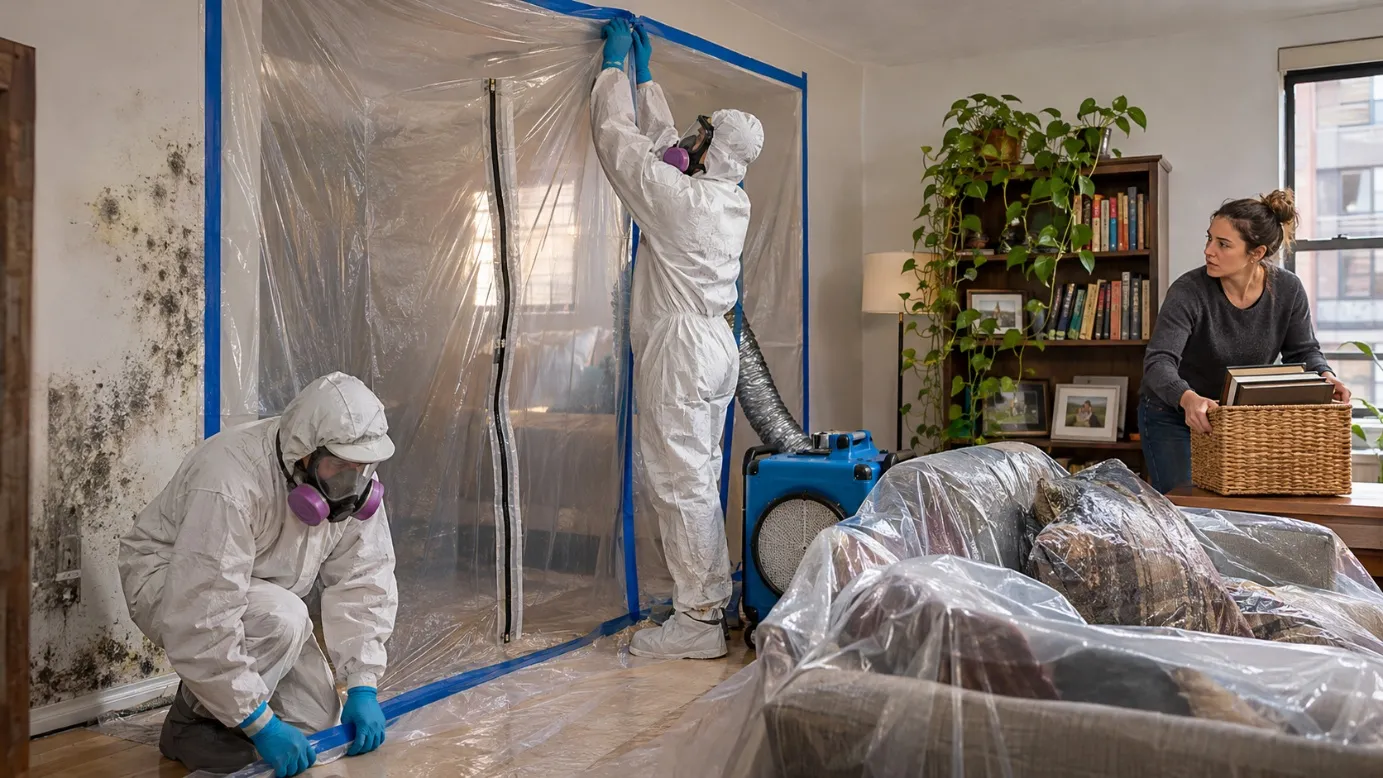
Mold remediation inside an occupied apartment can create unexpected challenges for tenants who must balance daily routines with necessary construction work. Contractors may need access to bedrooms, bathrooms, or shared living spaces, raising concerns about privacy, safety, and property protection. When repair arrangements become disputed, consulting mold attorneys los angeles may help residents understand their rights under California housing laws. Clear communication about access, containment measures, and restoration schedules can make the process more manageable while reducing potential disagreements between tenants and property management.
Understand The Scope Of Remediation Work
Before contractors begin work, tenants should request a clear explanation of the affected areas and proposed restoration activities. Mold remediation may involve removing damaged drywall, inspecting concealed materials, repairing leaks, or replacing deteriorated flooring. The necessary approach depends on the extent of contamination and underlying moisture conditions. Residents should ask whether essential rooms will remain accessible and how belongings should be protected. Understanding the work beforehand allows households to prepare for disruption without assuming that every remediation project requires identical procedures or temporary relocation arrangements.
Know When Landlords Can Enter Apartments
California Civil Code Section 1954 generally permits landlords to enter occupied rental units for necessary or agreed repairs, subject to legal requirements. In most nonemergency situations, landlords must provide reasonable advance written notice, with 24 hours generally presumed reasonable. The notice should identify the intended date, approximate time, and purpose of entry. Certain exceptions apply, including emergencies and qualifying tenant consent. Residents should cooperate with lawful repair access while documenting repeated scheduling problems. Property owners cannot misuse entry rights to harass or unnecessarily disturb occupants.
Discuss Containment And Household Safety Measures
Remediation activities may disturb affected materials and create dust or airborne particles that require appropriate control. Depending on the project, qualified professionals may recommend isolating work areas, protecting ventilation pathways, or restricting access during material removal. Tenants should request information about precautions without assuming that ordinary plastic coverings guarantee adequate containment. Households with children, older adults, or individuals experiencing respiratory concerns may need additional planning. Medical questions should be addressed by healthcare professionals, while remediation contractors should explain the technical measures appropriate for the affected property.
Address Disagreements About Restoration Responsibilities
Conflicts sometimes arise when property managers expect residents to move belongings, provide repeated access, or accept incomplete repair arrangements without clarification. California habitability protections remain relevant when serious moisture problems affect residential premises. A mold claim lawyer may help assess whether disputed repair practices, documented losses, or prolonged unsafe conditions raise legal concerns. However, responsibility for particular expenses depends on the circumstances and applicable law. Written communications can clarify expectations while protecting both parties from misunderstandings concerning repairs, access, and potential compensation claims.
Protect Personal Belongings During Construction Activities
Furniture, clothing, electronics, and personal documents may need protection when contractors remove affected building materials. Tenants should photograph valuable possessions before work begins and ask how nearby items will be shielded from dust, moisture, or accidental damage. Written arrangements may clarify whether certain belongings must be relocated and who will coordinate access. If property damage occurs, residents should preserve photographs, receipts, and relevant correspondence. Not every construction-related expense is automatically recoverable, making reliable documentation particularly important when responsibility or reimbursement becomes a disputed issue.
Monitor Repair Progress And Unexpected Delays
Restoration schedules can change when contractors discover additional moisture damage behind walls or beneath flooring. Delays may be reasonable in some circumstances, but tenants should receive clear updates about significant changes affecting access or occupancy. Keeping a record of scheduled visits, completed activities, and newly discovered problems can help establish the project’s progression. Residents should report continuing leaks or unexpected damage promptly. A documented repair history also allows legal or technical professionals to evaluate whether corrective efforts reasonably address the original problem.
Conclusion
Successful mold remediation requires more than allowing contractors into an occupied apartment. Residents need understandable schedules, appropriate safety precautions, and reliable communication about how repairs may affect their homes. California law recognizes both legitimate property maintenance needs and important tenant protections. When disagreements over access, unsafe conditions, or restoration responsibilities cannot be resolved, mehdlaw.com offers a relevant starting point for exploring legal representation. Before accepting completion of a substantial remediation project, tenants should review the repairs performed and document any remaining concerns.