

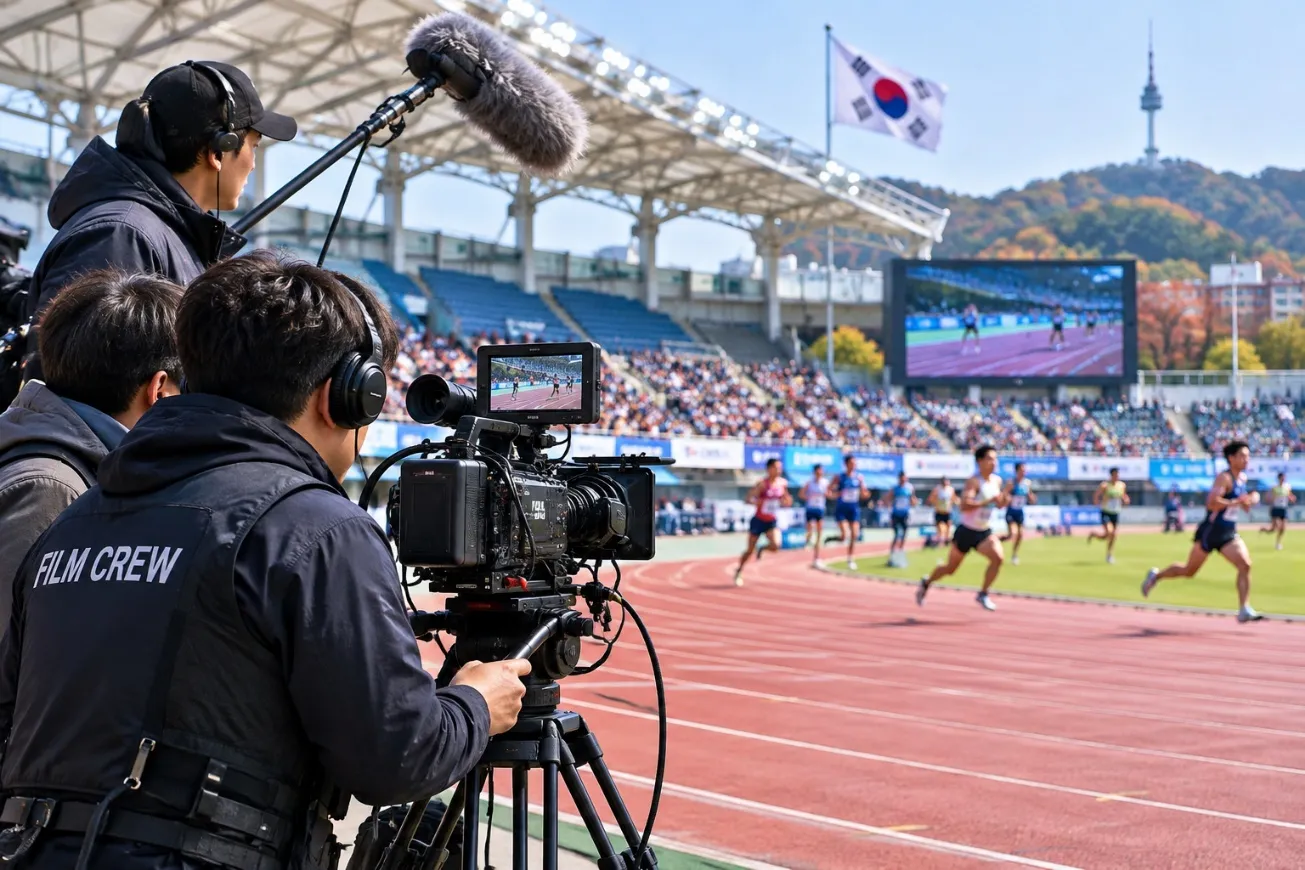
A sports event can change in seconds. A last-minute goal, a runner crossing the finish line, or an unexpected reaction may become the moment everyone remembers. Yet good event filmmaking involves more than recording the most exciting action. Viewers also need to understand who is involved, what is at stake, and why the occasion matters. For crews filming competitions, festivals, and community events in South Korea, the challenge is to capture spontaneous moments without disrupting participants. Thoughtful preparation makes the footage useful long after the venue has emptied, even under tight deadlines.
Identify the Story Before the Event Begins
Event producers should begin by asking what the finished video needs to communicate. A sports club may want to celebrate its athletes, while an event organizer may want to show how volunteers and supporters made the day possible. These are different stories, even when cameras cover the same activities.
Research key participants and prepare a short list of questions before filming. Record a few conversations about preparation, expectations, and personal motivation. These interviews can give viewers a reason to care about the result. Build a flexible outline rather than a script that assumes a particular team will win.
Plan Camera Positions Around Access and Safety
Camera placement affects both picture quality and the event itself. A useful angle must not obstruct athletes, officials, emergency routes, or paying spectators. Ask organizers which areas require credentials and whether camera operators may move during competition. Review restrictions before anyone begins carrying equipment into the venue.
A production company in korea can help coordinate local crew, equipment, and shooting logistics, but the event organizer still determines many access conditions. Assign specific coverage duties to operators, such as action, crowd reactions, or interviews. Clear roles reduce duplicated footage and help crews respond to surprises.
Collect the Moments Between the Highlights
A winning play may be the centerpiece of a short film, but the surrounding moments create emotional meaning. Film athletes warming up, volunteers preparing signs, spectators arriving, and teams gathering after the result. These details help editors establish a beginning, build anticipation, and show consequences.
Listen for useful natural sounds as well. Footsteps, applause, announcements, and quiet conversations can bring scenes to life. Capture clean interviews away from speakers whenever possible, and avoid relying entirely on music to create excitement. The event already has a distinctive sound that deserves attention.
Think About Editing Before the First Whistle
Many clients need more than one final video. A landscape recap may suit a website, while a short vertical clip may work better on social platforms. Camera operators should know which formats are expected so important action remains visible when footage is reframed. Some scenes may need separate vertical coverage.
When comparing video production services near me for a Seoul event, ask about editing deadlines, media backups, captions, and approval responsibilities. Same-day highlights require an especially clear workflow. A fast turnaround is valuable only when names, results, and other on-screen information are accurate.
Handle Participants and Footage Responsibly
Filming permissions and usage rights deserve attention before publication. Venues, leagues, sponsors, and participants may have different requirements. Where children are involved, producers should apply appropriate safeguards and obtain any necessary permissions. Do not assume that access to an event means every image can be used for every promotional purpose.
Editors should also avoid manufacturing outcomes through selective cuts. A celebration shown immediately after a particular play may suggest a connection that never happened. Check the sequence, verify scores with an authoritative event record, and make sure quoted reactions represent the people who gave them.
Build a Reliable Plan for the Final Hour
The minutes after an event can be unusually busy. Athletes leave, equipment gets packed, and organizers may be difficult to reach. Before the crew disperses, confirm final results, record the correct spelling of names, and identify any footage that still needs clearance. Make separate backups of camera and audio files, then log which cards have been copied and checked. If an editor is preparing rapid highlights, assign one producer to approve captions and factual details. A clear handoff prevents speed from turning into avoidable mistakes and protects the material for later versions.
Conclusion
A memorable event video does more than prove that a remarkable moment happened. It connects action with the people, preparation, and emotion surrounding it. Producers who research participants, respect venue rules, plan camera coverage, and capture natural sound give editors a stronger story to tell. Careful verification and organized handoffs are equally important when results must be published quickly. With these habits firmly in place, a film can remain engaging after the cheering stops, helping audiences remember not only the outcome but also why the event mattered for years to come.