

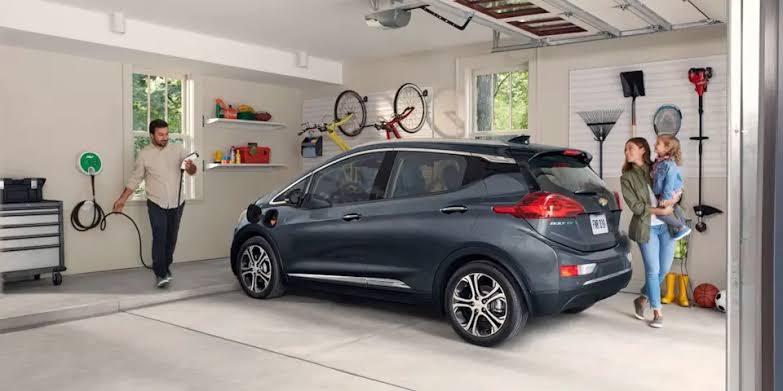
Buying an electric vehicle changes more than the way someone travels. It also introduces new questions about charging, electrical capacity and daily routines. Homeowners often concentrate on the vehicle itself while leaving the charging arrangements until the final moment. Consulting a qualified south shore electrician early can help identify whether the existing electrical system is suitable for the additional demand.
A properly planned charging arrangement should fit the household rather than create inconvenience. Parking location, available electrical capacity and future needs all influence the installation process.
Start With the Way You Actually Drive
Not every household requires the same charging arrangement. Someone who travels short distances and parks overnight may have different requirements from a driver covering considerable distances every day.
Before selecting equipment, consider when the vehicle will normally be parked, how quickly it needs to recharge and whether other family members may eventually purchase electric vehicles. These details help determine what type of charging setup makes practical sense.
Charging equipment should also suit the vehicle’s specifications. Purchasing a charger based entirely on its advertised power may lead to unnecessary expenses when the home cannot support that output without additional electrical work.
Understand the Electrical Capacity of Your Home
A residential electrical panel distributes electricity to lighting, heating, appliances and other connected equipment. Adding an EV charger can introduce a substantial continuous electrical load, particularly when the household already uses electric heating.
An electrician can calculate the existing demand and assess whether the proposed charger can be accommodated safely. The evaluation may reveal sufficient available capacity, or it may identify a need for load management or electrical improvements.
An older panel does not automatically require replacement simply because a homeowner purchases an electric vehicle. The decision depends on its condition, rating, existing loads and applicable installation requirements.
Choosing the Right Place for Charging
Homeowners considering ev charger installation should pay attention to the physical location before deciding on equipment. A charging station needs to be accessible without obstructing vehicles, walkways or frequently used storage areas.
Garage installations can provide convenient access and some protection from the weather. Outdoor installations may be equally practical when the equipment is appropriately rated for environmental exposure.
Cable length deserves particular attention. A charger positioned too far from the vehicle’s charging port can make everyday use awkward, while poorly routed cables may introduce tripping hazards.
Weather Conditions Affect Installation Decisions
Québec winters introduce considerations that homeowners in warmer climates may not encounter. Snow accumulation, freezing rain and low temperatures can affect access to charging equipment.
Outdoor installations should use equipment suitable for the local climate. The mounting position should also allow snow removal without exposing cables or connectors to unnecessary damage.
Drivers should remember that cold temperatures can influence battery performance and charging behaviour. A convenient home charging arrangement may make winter vehicle use easier, although it cannot eliminate every effect of cold weather.
Why Professional Installation Matters
A residential charging station is not simply another household appliance. Depending on the equipment and installation, it may require a dedicated circuit, correctly sized conductors and suitable circuit protection.
Professional installation helps ensure that equipment is connected according to applicable electrical requirements. It also provides an opportunity to identify wiring concerns that might otherwise remain unnoticed.
Homeowners should avoid using unsuitable extension cords or improvised connections to achieve faster charging. These arrangements can introduce overheating and electrical hazards.
Think Beyond Your Current Vehicle
The first EV charger installed at a property may remain in service longer than the vehicle originally purchased. For that reason, installation planning should account for reasonable future changes.
A household might eventually acquire another electric vehicle, renovate its garage or introduce additional electrical appliances. Discussing these possibilities before installation can help identify sensible equipment and wiring choices.
However, preparing for the future does not necessarily mean purchasing the most expensive charger available. A balanced decision considers current requirements, potential expansion and installation costs.
Conclusion
Preparing a home for electric vehicle charging involves understanding electrical capacity, choosing an accessible location and ensuring that the installation meets safety requirements. Thoughtful decisions made before equipment is purchased can help prevent inconvenience later. Homeowners throughout the Greater Montréal area can explore relevant electrical installation and maintenance information through electrivolt.ca/en. With proper planning and professional assessment, residential charging can become a dependable part of everyday vehicle ownership.