

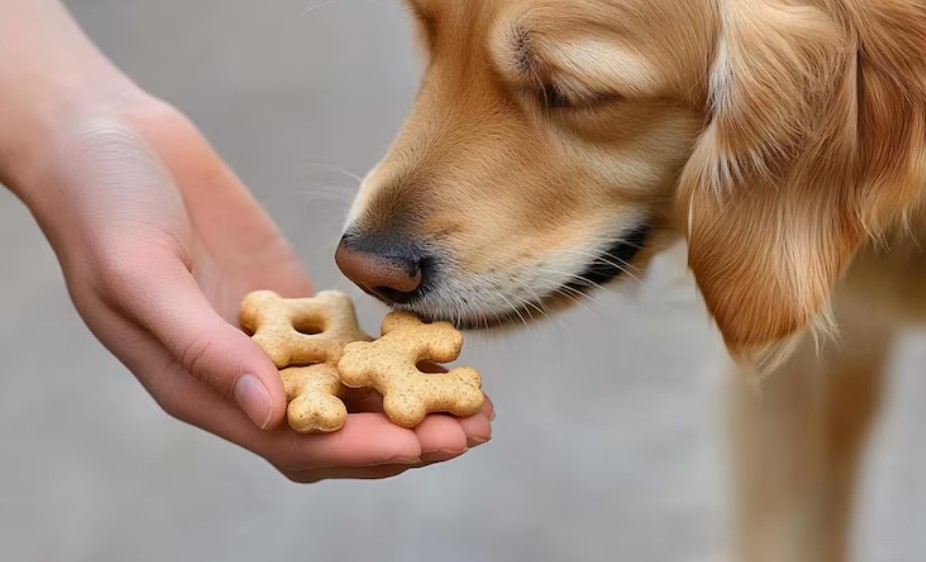
Soft dog treats can be a healthy reward when they are made with suitable ingredients, given in proper portions, and included as part of a balanced diet. Their soft texture makes them popular for training, puppies, senior dogs, and pets that prefer easier-to-chew snacks.
However, softness does not automatically mean a treat is healthier. The best choice depends on the ingredients, calories, your dog’s age, activity level, and specific health needs.
Many pet owners choose soft treats for dogs because they are easy to break into smaller pieces and highly appealing during training. Others look for options such as fruitable dog treats because they prefer treats made with recognizable flavors and ingredients.
Before choosing any treat, it is important to understand what makes a good reward and how it fits into your dog’s daily nutrition.
What Are Soft Dog Treats?
Soft dog treats are snacks designed with a flexible or tender texture that dogs can chew easily compared with hard biscuits or crunchy treats.
They are commonly used for:
- Training rewards
- Positive reinforcement
- Daily snacks
- Medication assistance
- Bonding activities
The softer texture allows dogs to consume treats quickly, which is especially useful during training sessions where multiple rewards may be needed.
For example:
A puppy learning “sit” or “stay” may receive several small rewards during one session. A soft treat can be eaten quickly, allowing training to continue without long interruptions.
Are Soft Dog Treats Healthy?
Soft dog treats can be healthy when they are nutritionally appropriate and given in moderation.
A healthy treat should:
- Be made specifically for dogs
- Have suitable ingredients
- Provide reasonable calories
- Match the dog’s size and life stage
- Be used as a supplement, not a replacement for meals
The American Kennel Club recommends that treats and other extras should generally remain 10% of a dog’s daily calorie intake to help prevent excessive weight gain. (AKC)
A soft texture alone does not determine quality.
A low-calorie soft treat may be a better choice than a premium-looking treat with excessive calories.
Why Do Dogs Like Soft Treats?
Dogs often prefer soft treats because they are:
- Easy to chew
- Strong in aroma
- Quick to eat
- Highly rewarding
Smell plays an important role in how dogs choose food. Soft treats often retain moisture, which can help preserve stronger aromas that attract many dogs.
This makes them useful during training situations where motivation is important.
What Are the Benefits of Soft Treats for Dogs?
Soft treats for dogs offer several practical benefits.
1. Useful for Training
Soft treats are commonly used during training because dogs can consume them quickly.
They work well for:
- Obedience training
- Puppy classes
- Recall practice
- Trick training
- Behavior reinforcement
A trainer may reward a dog dozens of times during a session, making small soft treats a convenient option.
2. Easier for Puppies
Puppies are still developing their chewing ability.
Small, soft treats can be easier for young dogs to handle during early training.
However, treats should still be appropriate for the puppy’s age and nutritional needs.
3. Helpful for Senior Dogs
Some older dogs may have dental sensitivity or difficulty chewing very hard treats.
Soft treats may be more comfortable for these dogs.
However, dogs with serious dental problems should receive veterinary guidance.
4. Easy to Break Into Smaller Pieces
Many soft treats can be divided into smaller portions.
This helps owners:
- Control calories
- Provide more rewards
- Adjust treats for small dogs
For example:
A large soft treat can often be broken into several smaller pieces for a training session.
What Ingredients Should You Look for in Soft Dog Treats?
When selecting soft dog treats, focus on the entire formula rather than one ingredient.
Quality Protein Sources
Many dogs enjoy treats containing animal proteins such as:
- Chicken
- Turkey
- Beef
- Salmon
- Lamb
Protein-based treats often provide strong flavor appeal.
Simple and Recognizable Ingredients
Some owners prefer treats with simpler ingredient lists.
Common ingredients may include:
- Meat proteins
- Fruits
- Vegetables
- Whole grains
- Natural flavors
A simple ingredient list can be useful, especially for dogs with known food sensitivities.
Appropriate Calories
Calories are one of the most important factors when selecting treats.
A small dog may gain weight from too many treats much faster than a large active dog.
For example:
A 10-pound dog receiving several high-calorie treats every day may consume a significant amount of extra energy compared with its daily needs.
What Are Fruitable Dog Treats?
Fruitable dog treats are treats that include fruit-based ingredients or flavors as part of their recipes.
These treats are popular among some owners because they combine traditional dog treat formats with ingredients such as:
- Pumpkin
- Apple
- Blueberry
- Banana
- Cranberry
However, fruit ingredients alone do not automatically make a treat healthier.
Owners should still evaluate:
- Calories
- Ingredient quality
- Portion size
- Feeding instructions
A treat containing fruit can still contribute unnecessary calories if given excessively.
Are Soft Treats Better Than Crunchy Treats?
Neither soft nor crunchy treats are automatically better. The right option depends on your dog and how you plan to use the treat.
Soft Treat Advantages
Soft treats are often better for:
- Training sessions
- Puppies
- Quick rewards
- Dogs that prefer tender textures
Crunchy Treat Advantages
Crunchy treats may work well for:
- Dogs that enjoy chewing
- Longer-lasting snacks
- Owners who prefer dry storage
For example:
A puppy class may benefit from soft treats because many rewards are needed quickly.
A dog receiving an occasional snack at home may enjoy either texture.
How Many Soft Treats Can Dogs Eat?
The correct amount depends on:
- Dog size
- Activity level
- Treat calories
- Daily food intake
Treats should be counted as part of total daily calories.
Example:
If a dog requires 600 calories per day and receives 100 calories from treats, the remaining meals should provide the other 500 calories.
This helps prevent accidental overfeeding.
Can Soft Treats Be Used for Medication?
Yes, some soft treats can be useful for hiding medication.
Their flexible texture allows owners to wrap small pills inside the treat.
However:
- Confirm the medication can be given with food
- Avoid excessive treat use
- Follow veterinary instructions
Some medications should not be hidden in certain foods.
Are Soft Dog Treats Good for Puppies?
Yes, appropriate soft treats for dogs can be useful during puppy training.
Puppies often need frequent rewards when learning new behaviors.
Good puppy treats should be:
- Small
- Easy to chew
- Suitable for growth-stage dogs
- Low enough in calories for repeated use
Treats should never replace complete puppy food.
Are Soft Treats Suitable for Senior Dogs?
Many senior dogs enjoy soft treats because they are easier to chew.
However, senior dogs may have special needs related to:
- Weight control
- Dental health
- Kidney issues
- Other medical conditions
A veterinarian may recommend specific treats for dogs with health concerns.
What Ingredients Should Dog Treats Avoid?
Avoid treats containing harmful ingredients such as:
- Xylitol
- Chocolate
- Grapes
- Raisins
- Onions
- Garlic
- Alcohol
- Macadamia nuts
The ASPCA identifies several foods that can be toxic to dogs.
Always check product labels before introducing new treats.
Common Mistakes When Giving Soft Treats
Giving Too Many Treats
Even healthy treats can cause weight gain when overused.
Ignoring Calories
Small treats still contain calories.
Choosing Only Based on Marketing
Words like natural, premium, or fruit-based do not replace nutritional evaluation.
Using Treats Instead of Meals
Treats should support a balanced diet, not replace it.
How Should Soft Dog Treats Be Stored?
Because soft treats often contain more moisture than crunchy treats, proper storage is important.
Tips:
- Keep treats sealed
- Follow package storage instructions
- Avoid heat and moisture
- Check expiration dates
Fresh treats usually remain more appealing to dogs.
Frequently Asked Questions About Soft Dog Treats
Are soft dog treats healthy?
Soft dog treats can be healthy when they contain suitable ingredients, provide appropriate calories, and are given in moderation as part of a balanced diet.
Are soft treats better than crunchy treats for dogs?
Soft treats are often better for training because dogs can eat them quickly. Crunchy treats may be better for dogs that enjoy firmer textures.
What are fruitable dog treats?
Fruitable dog treats are treats made with fruit-based ingredients or flavors. They should still be evaluated based on calories and overall nutrition.
Can puppies eat soft treats?
Yes, puppies can eat appropriate soft treats designed for dogs. Treat portions should remain controlled because puppies need most nutrition from complete puppy food.
How many soft treats can a dog have daily?
The amount depends on the dog’s size, calorie needs, and treat calories. Treats should remain a limited part of the daily diet.